
Learn More
About Us
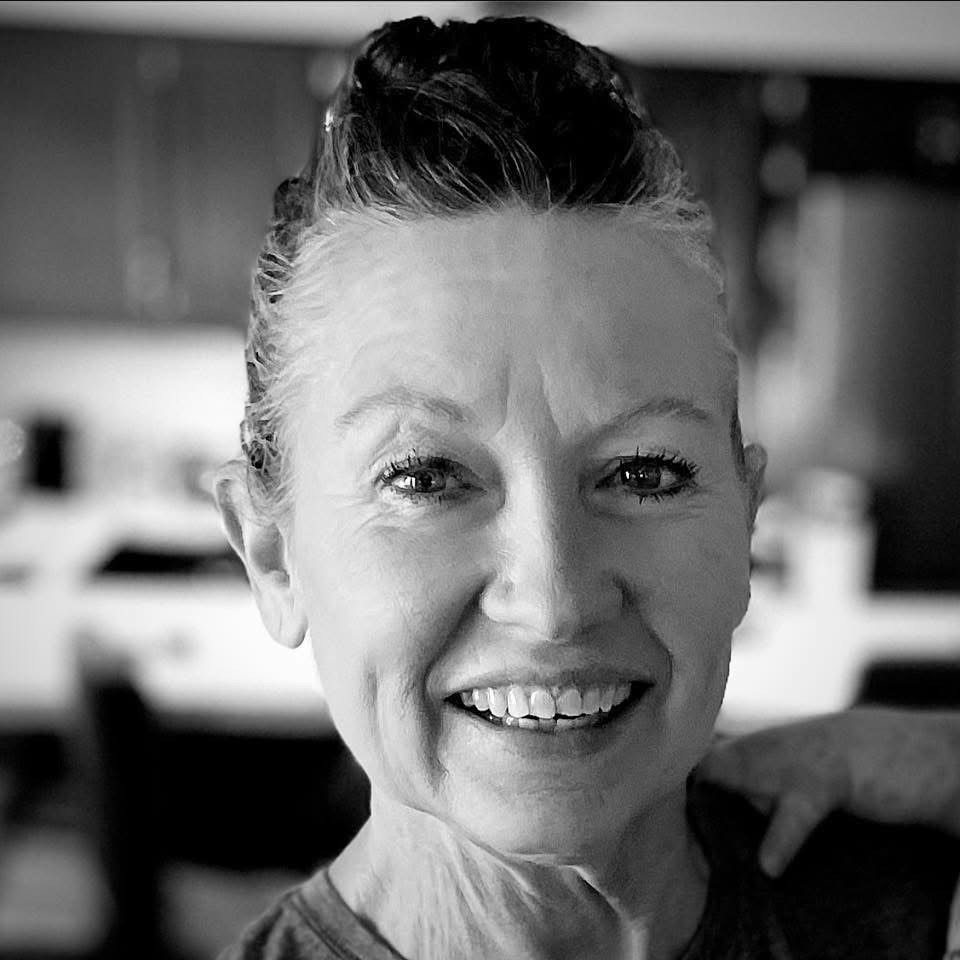
About Us
Meet the Breeder
I’m Julie Geeslin the breeder behind Color Me Crazy Chihuahuas located in Dime Box, Texas. At Color Me Crazy, we are passionate about raising high-quality, well bred Chihuahuas for loving families. Breeding is not just a hobby – it’s something we truly love and pour our hearts into every single day.
Our dogs and puppies are raised inside our home as cherished family members. We spend countless hours with every litter, ensuring each puppy receives proper socialization, hands on care, and a strong foundation before leaving for their forever homes. We want our families to feel confident knowing their puppy has been loved from the very beginning.
Learn More
We specialize in both Russian and American bloodlines, giving our Chihuahuas the classic apple head, short thick muzzle, sturdy legs, and a compact, cobby body type. Their temperaments are just as impressive not yappers, just sweet, social, people loving companions who do well with other dogs and adapt easily to new environments.
All of our adult dogs are DNA health tested and clear with Embark and Wisdom, ensuring we are producing puppies with the best possible start in life.
We truly love our dogs and puppies and we know you will too!
Schedule a Call!
512-304-0743
Learn More About
How It Works
Fill out an application, schedule a call, and place your deposit! Once approved, you’ll be able to follow your puppy’s journey from birth to homecoming through updates, photos, and occasional videos. We’ll keep you informed about milestones and give you guidance on preparing for your new family member.

Puppy Application
Our puppy application, which helps us understand your needs and preferences.

Schedule A Call
We’ll explore your questions, needs, and how Color Me Crazy Chihuahuas can be part of your puppy journey.

Place Your Deposit
To reserve a Color Me Crazy Chihuahua puppy, we require a non refundable deposit that secures your spot on our waitlist.

Learn More
About The Breed
The Chihuahua breed has specific standards established by kennel clubs that define the ideal characteristics for the breed. These standards cover everything from size and weight to coat type, body structure, and movement. Breeders and judges use these guidelines to evaluate how closely a Chihuahua conforms to the breed’s ideal type. While pet Chihuahuas don’t need to meet these standards, they provide a blueprint for what makes a Chihuahua a Chihuahua.
General Appearance
A graceful, alert, swift-moving compact little dog with saucy expression, and with terrier-like qualities of temperament.
Size, Proportion, Substance: Weight – A well balanced little dog not to exceed 6 pounds. Proportion – The body is off-square; hence, slightly longer when measured from point of shoulder to point of buttocks than height at the withers. Somewhat shorter bodies are preferred in males.
Head
A well rounded “apple dome” skull, with or without molera. Expression – Saucy. Eyes – Full, round, but not protruding, balanced, set well apart-luminous dark or luminous ruby. Light eyes in blond or white-colored dogs are permissible. Blue eyes or a difference in the color of the iris in the two eyes, or two different colors within one iris should be considered a serious fault. Ears – Large, erect type ears, held more upright when alert, but flaring to the sides at a 45 degree angle when in repose, giving breadth between the ears. Stop – Well defined. When viewed in profile, it forms a near 90 degree angle where the muzzle joins the skull. Muzzle – Moderately short, slightly pointed. Cheeks and jaws lean. Nose – Self-colored in blond types, or black. In moles, blues, and chocolates, they are self-colored. In blond types, pink noses are permissible. Bite – Level or scissors. Overshot or undershot, or any distortion of the bite or jaw, should be penalized as a serious fault. A missing tooth or two is permissible.
Neck, Topline, Body: Neck – Slightly arched, gracefully sloping into lean shoulders. Topline- Level. Body – Ribs rounded and well sprung (but not too much “barrel-shaped”). Tail – Moderately long, carried sickle either up or out, or in a loop over the back with tip just touching the back. (Never tucked between legs.)
Forequarters
Shoulders – Lean, sloping into a slightly broadening support above straight forelegs that set well under, giving free movement at the elbows. Shoulders should be well up, giving balance and soundness, sloping into a level back (never down or low). This gives a well developed chest and strength of forequarters. Feet – A small, dainty foot with toes well split up but not spread, pads cushioned. (Neither the hare nor the cat foot.) Dewclaws may be removed. Pasterns – Strong.
Hindquarters
Muscular, with hocks well apart, neither out nor in, well let down, firm and sturdy. Angulation – Should equal that of forequarters. The feet are in front. Dewclaws may be removed.
Coat
In the Smooth Coats, the coat should be of soft texture, close and glossy. (Heavier coats with undercoats are permissible.) The coat is placed well over the body with ruff on neck preferred, and more scanty on head and ears. Hair on tail preferred furry. In Long Coats, the coat should be of a soft texture, either flat or slightly wavy, with undercoat preferred. Ears – Fringed. Tail – Full and long (as a plume). Feathering on feet and legs, pants on hind legs and large ruff on the neck desired and preferred. (The Chihuahua should be groomed only to create a neat appearance.)
Color
Any color – Solid, marked or splashed.
Gait
The Chihuahua should move swiftly with a firm, sturdy action, with good reach in front equal to the drive from the rear. From the rear, the hocks remain parallel to each other, and the foot fall of the rear legs follows directly behind that of the forelegs. The legs, both front and rear, will tend to converge slightly toward a central line of gravity as speed increases. The side view shows good, strong drive in the rear and plenty of reach in the front, with head carried high. The topline should remain firm and the backline level as the dog moves.
Temperament
Alert, projecting the ‘terrier-like’ attitudes of self importance, confidence, self
AFFECTIONATE WITH FAMILY IndependentLovey-Dovey
GOOD WITH YOUNG CHILDREN Not RecommendedGood With Children
GOOD WITH OTHER DOGSNo t RecommendedGood With Other Dogs
SHEDDING LEVEL No SheddingHair Everywhere
COAT GROOMING FREQUENCY MonthlyDaily
DROOLING LEVEL Less Likely to DroolAlways Have a Towel
OPENNESS TO STRANGERS ReservedEveryone Is My Best Friend
PLAYFULNESS LEVEL Only When You Want To PlayNon-Stop
WATCHDOG/PROTECTIVE NATURE What’s Mine Is YoursVigilant
ADAPTABILITY LEVELLives For RoutineHighly Adaptable
TRAINABILITY LEVEL Self-WilledEager to Please
ENERGY LEVEL Couch PotatoHigh Energy
BARKING LEVEL Only To AlertVery Vocal
MENTAL STIMULATION NEEDSHappy to LoungeNeeds a Job or Activity
Hypoglycemia
BEFORE TAKING HOME ONE OF OUR BABIES OR ANY TOY BREED PUPPY YOU MUST EDUCATE YOURSELF ON HYPOGLYCEMIA…….
READ…READ…READ….READ….Everyone must read this before bringing home their new Chihuahua…Some inexperienced Vets with tinies are letting pups die or putting them to sleep ..saying they are hydro when they are only sugar crashing..“SOME” vets do not know how to treat or recognize this in small dogs….so you must read this before buying one…The Dangers of Hypoglycemia in Small Dogs and How to Prevent It
Puppy hypoglycemia occurs in young puppies, more commonly toy breeds, that cannot yet maintain their blood glucose levels. It can even occur in adult toy breeds. When puppies transition to their new homes this can be EXTREMELY stressful for them and in times of stress puppies can experience hypoglycemia LOW BLOOD SUGARS.
The hypoglycemia can become severe and require hospitalization. Unfortunately, if not addressed quickly, it can lead to hypothermia, seizures, and death.
The best way to avoid this is by feeding a high quality diet every 3-4 hours. High quality diet means high quality canned diet, commercial raw, human grade dehydrated diet or commercial fresh diet, or vet approved Homemade diets. If you have to use kibble choose one without corn and loads of cheap fillers and add homecooked as toppers,or Honest Kitchen, etc. Some tinies require small meals every two hours. With our puppies we leave access to food and water 24/7. However, it’s important to ensure puppies are eating and not just leave meals and not follow closely.
Symptoms of hypoglycemia include: severe weakness, tremors, shaking, confusion, vomiting, anorexia and ultimately seizures. If these symptoms occur give sugar IMMEDIATELY in the form of karo syrup and get your puppy to the ER vet ASAP. Honey is contraindicated in puppies younger than a year as it can cause botulism.
Save the Nutrical for emergencies. It SHOULD NOT be given as a regular supplement as it causes spikes in glucose which results in insulin release from the pancreas thus causing blood glucose levels to be irregular and possible crashes.
Hypoglycemia for small dogs is one of the most dangerous and deadly conditions that a toy breed puppy can encounter. I’ve seen too many cases where a new owner is not properly educated about hypoglycemia in small dogs, and the puppy dies because the owner did not know what to do. This post does not only apply to puppies, but adult toy breed dogs as well. Hypoglycemia can occur in adult dogs if you are not careful. I feel this is THE most important piece of information that any new owner should have when it comes to a puppy’s health. It should be MANDATORY that anybody thinking of buying a toy breed dog read this article before they bring their puppy home. It could save your dog’s life! This is why our babies stay here until at least 12 weeks old..TINIES DO NOT LEAVE OUR HOME UNTIL AT LEAST 16 TO 20 WEEKS.
First off, Hypoglycemia is basically a term that describes a condition in a dog where the concentration of glucose (sugar) suddenly drops. Glucose is used as a primary source of energy in all dogs. Small breed dogs, especially puppies, are extremely prone to this condition. The younger the puppy the more chances they have of becoming hypoglycemic. On a side note, I do not recommend buying a puppy from any breeder that releases their pups earlier than 12 weeks of age. 1 Small breed puppies obviously have less muscle mass than a breed such as a Labrador. When I mention small breeds, I’m referring to dogs such as Yorkies, Shih Tzu’s, Chihuahua’s, Pomeranians, etc. With the low amount of muscle mass that these breeds have, retaining proper glucose levels is tougher. This is why smaller dogs are more susceptible to hypoglycemia.
As long as your puppy or dog eats on a regular basis they should not have any troubles with this deadly condition. However, if your puppy even misses one meal, they could fall victim to hypoglycemia. Furthermore, the following could speed up the onset of hypoglycemia even further:
1. Stress
2. Change in diet
3. Infections
4. Poor Nutrition
5. Low body temperature.
6. Vaccinations in large combos.( one vaccine at a time finds a holistic vet that will give partial doses and then titer test.)
The signs to look out for if you suspect your dog to become hypoglycemic are: laziness, lethargic, shivering,vomiting, non-responsive, stumbling, and worst of all, comatose. Checking your dog’s gums is also an excellent method in detecting hypoglycemia. A healthy dog should have warm and pink gums. If your dog’s gums are cold and white, they are most likely in a hypoglycemic state. If you notice your dog experiencing any of these symptoms, IMMEDIATELY feed them a couple finger full doses of glucose karo syrup on gums.There are some products that you can buy that are made for this purpose, such as Nutri-Stat or Nutra-Cal. I use Karo Syrup which you can find in your local grocery store. Simply place a dab on your finger tip, and scrape the syrup on the back of the top row of teeth. I would repeat this a couple times. Some dogs may recover within 10 -20 minutes, while others may take hours. If you do not see any improvement in their condition within the first 30 minutes, immediately take your dog to the animal hospital.
7. Transition to new home
Raising a smaller dog should be a very fun and rewarding experience. With some proper education beforehand, the process will go a lot smoother and ensure that your puppy grows up healthy. Just remember that hypoglycemia can be prevented by:
- Keeping a close eye on your puppy’s condition at all times
- Proper feeding healthy balanced diet and ensuring puppy eats small meals every few hours
- Proper rest
- Being kept warm.
- Avoid overvaccination no large combo vaccines no leptospirosis vaccines.
- NO USE IF FLEA PESTICIDES ..plenty of holistic options. SEEK A HOLISTIC VET WILLING TO PARTIAL DOSE And titer test.With this information, you should be properly guarded against your dog falling victim to hypoglycemia.
WANT TO SHARE AN EXAMPLE…..happened a few weeks ago to a family I spoke to. A perfectly healthy pup leaves the breeder, goes about 6 weeks, undergoing several changes including food over that time frame, owner does not notice pup is not eating as much, and wakes up in the morning with the pup unconsciously and cold.
Ultimately the baby couldn’t be saved, and the vet speculated that hydrocephalus or livershunt may have contributed, giving VALIDATION to the hundreds in testing that they charged while trying to identify “the root” of the problem. In the end, they have cashed in on the new parent’s lack of knowledge, and given foundation to their costly investigation process, writing off blood sugar as a secondary symptom, thereby justifying the bill, and their inability to save a pup who “likely had more going on”.
There are different ways this presents, but I assure you, if parents are made aware of the issues and are quick to act, they will never fall victim to misleading medical speculation after tragedy.”
Hopefully this has served to help at least save 1 life as hypoglycemia kills way too many puppies. By sharing knowledge and education on how to prevent it, recognize symptoms of it , and emergency treatment we can save many heartaches.